MGH · Harvard Medical School · Dana-Farber Cancer Institute

AI-Powered Precision Dermatology and Oncology

We build AI systems to predict cancer outcomes and treatment toxicity at scale — integrating clinical, histopathologic, and spatial data across one of the largest melanoma and immunotherapy cohorts globally.

Improving how we predict, prevent, and treat cancer — patient by patient.

4,500+
Citations
150+
Publications
24K+
Immunotherapy Patients
600+
Annual Clinical Referrals
Research Focus

Transforming Dermatology
Through Intelligent Computation

We operate at the intersection of clinical oncology, artificial intelligence, and genomics — building tools that improve outcomes for patients with melanoma, skin cancer, immune-mediated disease, and life-threatening immunotherapy toxicities.

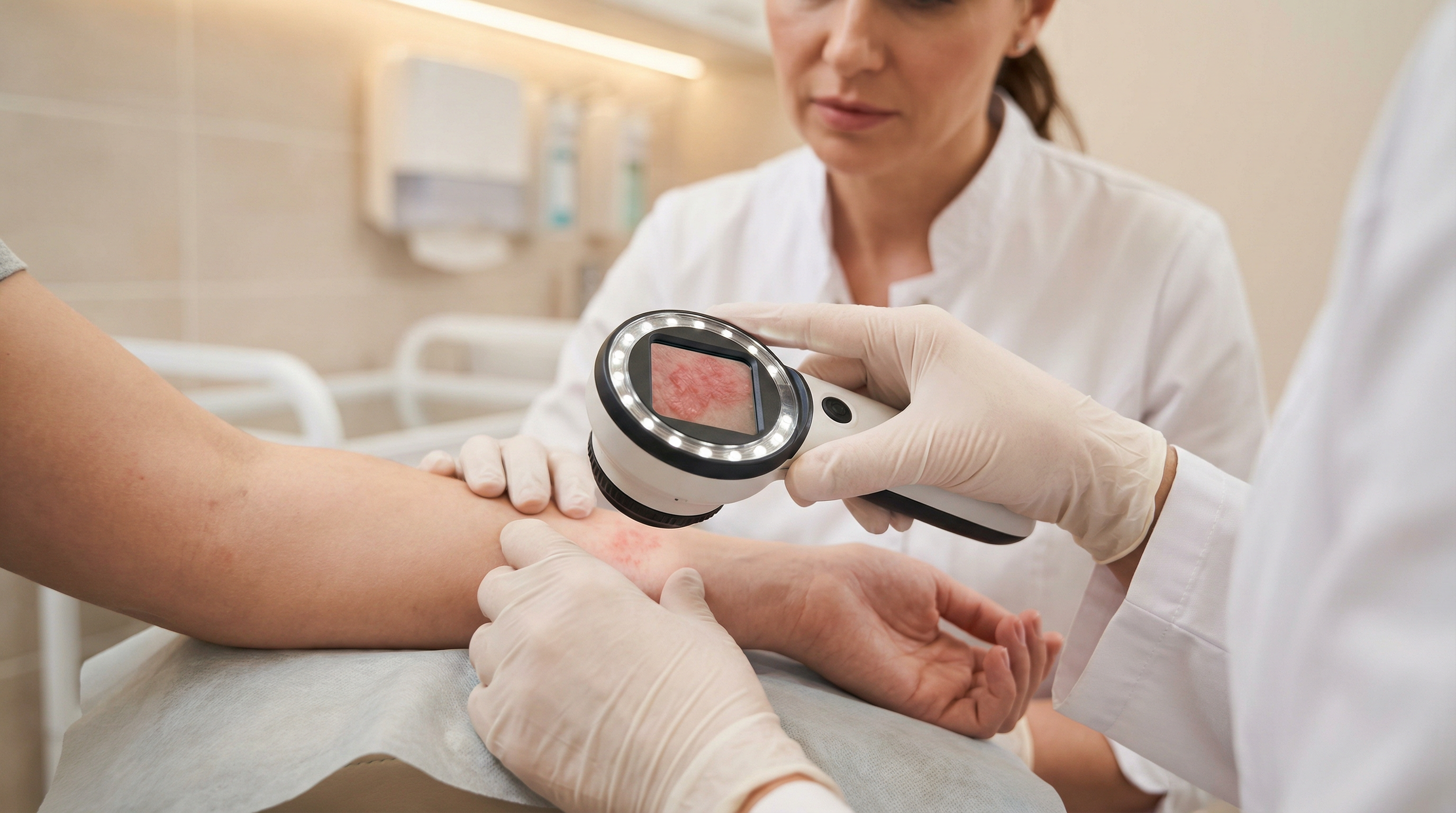
Dermatologist examining skin with dermatoscope for melanoma and cutaneous oncology evaluation — oncodermatology clinical care at MGH
Melanoma AI

Predicting Melanoma Outcomes

Multimodal AI integrating clinical data and digital pathology to predict recurrence and progression in early-stage melanoma — outperforming standard staging, validated across independent cohorts, and designed to guide adjuvant therapy decisions. AUROC 0.845 internal / 0.812 external validation.

Explore melanoma AI research
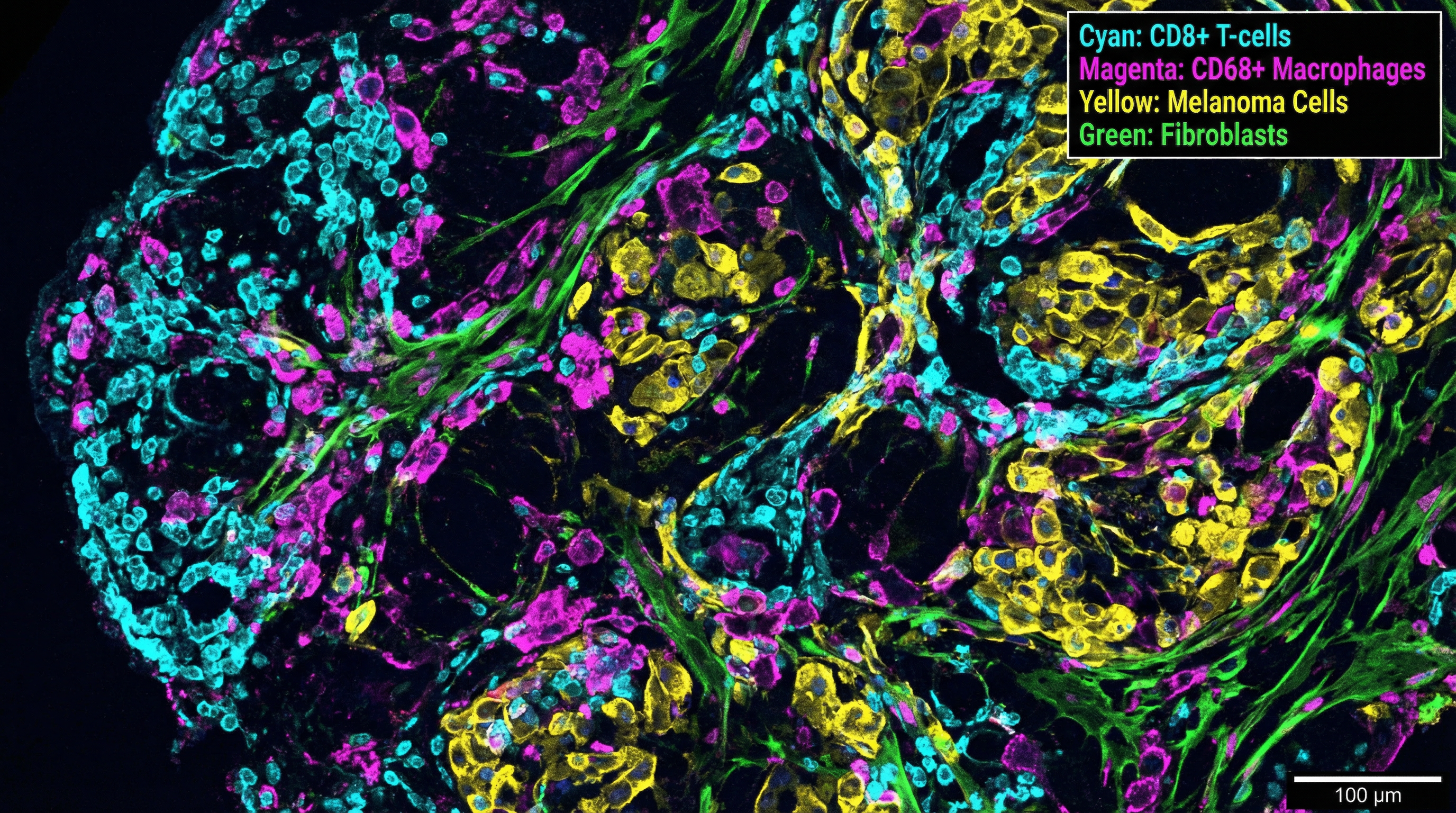
Multiplex immunofluorescence spatial biology tumor microenvironment visualization
Spatial Biology

Mapping the Tumor Microenvironment

Multiplex imaging (t-CyCIF, ORION) and spatial transcriptomics reveal tumor–immune interactions, stromal features, and AI-driven spatial biomarkers of treatment response and disease progression.

Learn more
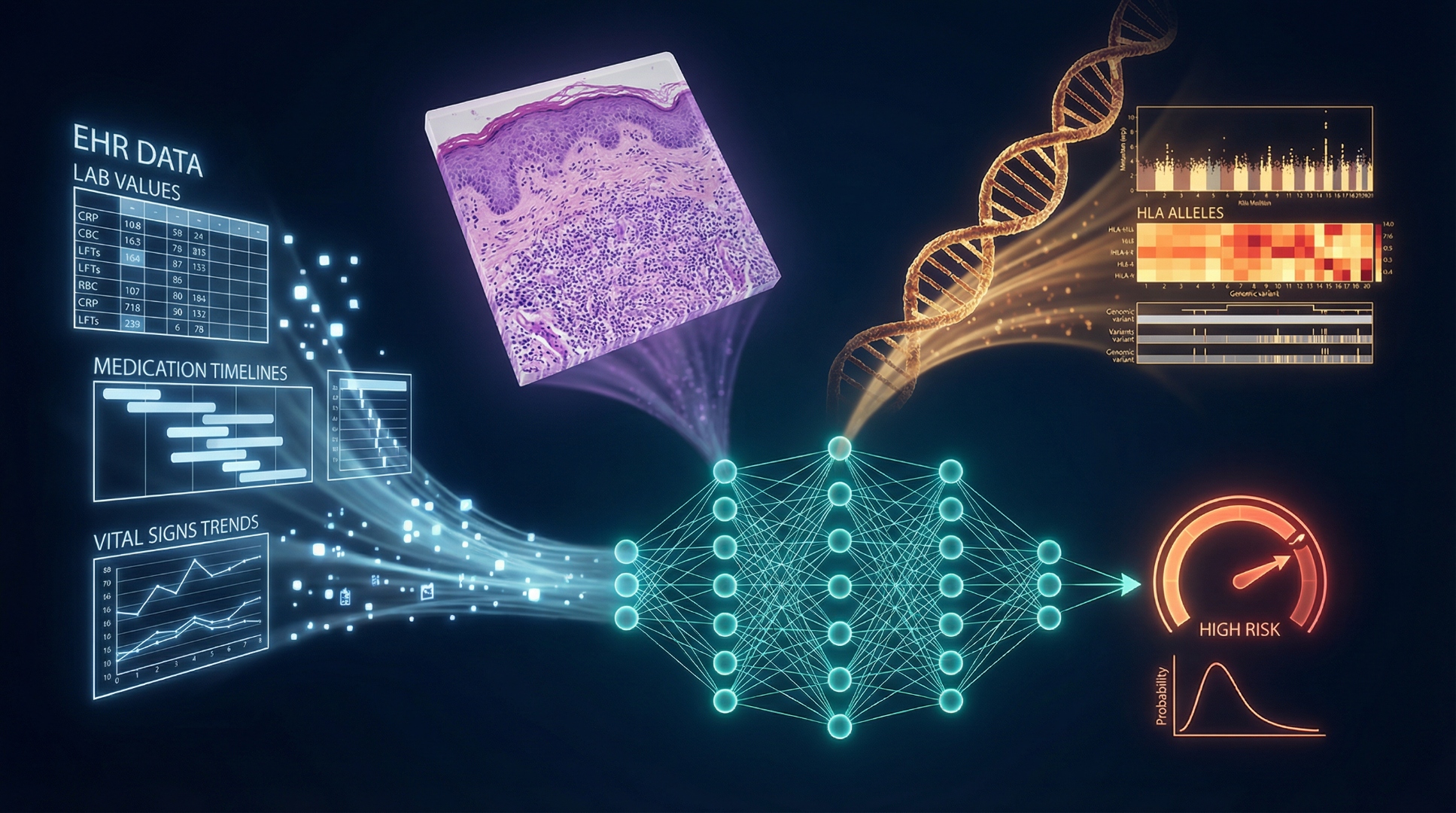
Multi-modal AI model for irAE prediction combining EHR data, skin histopathology, genomics, and HLA alleles — Semenov Lab
Immunotherapy Safety

Decoding Immunotherapy Toxicity

We study immune-related adverse events (irAEs) as both clinical challenges and biological signals — operating one of the largest irAE cohorts globally (24,000+ patients), linking toxicity phenotypes to survival outcomes, and establishing international consensus definitions (JITC 2024, Chen & Semenov et al.).

Learn more

Our work sits at the intersection of artificial intelligence, oncology, and dermatology — translating large-scale computational discoveries into tools that directly improve how patients with melanoma and immunotherapy toxicities are diagnosed, stratified, and treated.

— Yevgeniy Semenov, MD · Principal Investigator
4,500+
Total Citations
150+
Peer-Reviewed Publications
40+
Trainees Mentored
Impact

Why It Matters

Clinical Impact

Risk stratification and treatment guidance for melanoma patients — directly integrated into clinical workflows at MGH.

Scale

Tens of thousands of patients across multi-institutional datasets, among the largest in the field.

Translation

From computational model to clinical trial — our discoveries move from data to bedside.

Precision

Moving beyond TNM staging toward individualized, AI-driven prediction for every patient.
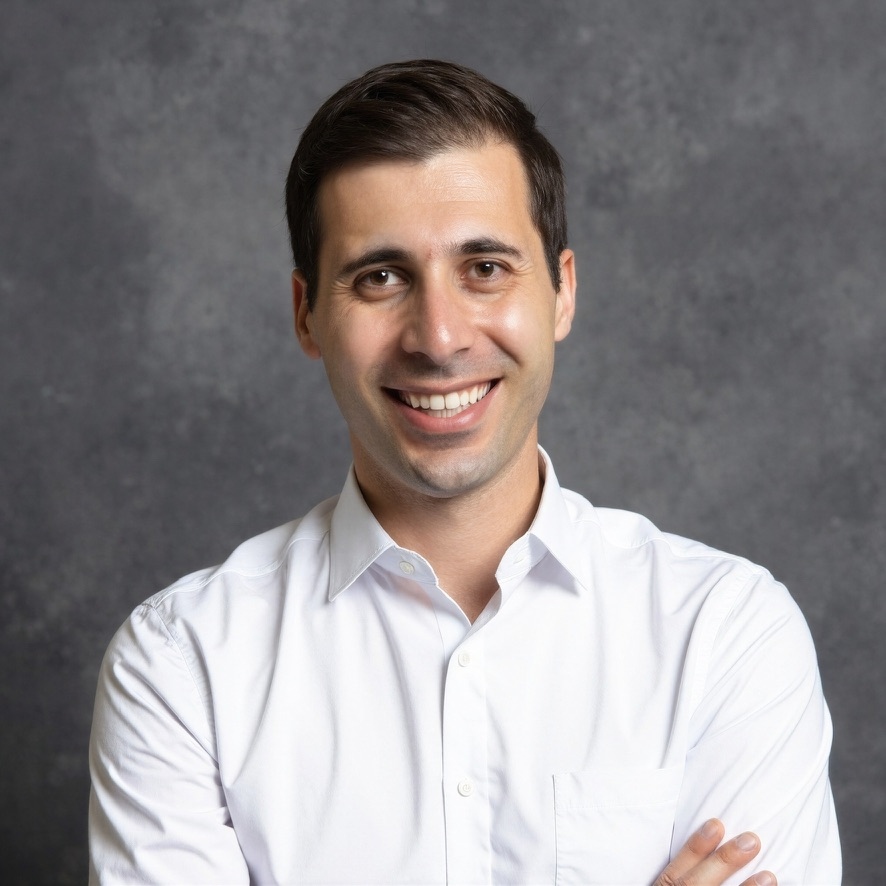
Principal Investigator

Yevgeniy (Eugene) Semenov, MD, MA

Melanoma kills over 8,000 Americans annually, and immunotherapy toxicities affect hundreds of thousands of cancer patients worldwide — yet clinicians still lack reliable tools to predict who is at risk. The Semenov Lab is at the forefront of applying AI at the intersection of dermatology and oncology to change this. Our research has already produced guidelines used globally, machine learning tools that predict melanoma recurrence with greater accuracy than standard staging, large multi-institutional digital pathology cohorts in melanoma, and pharmacovigilance systems that identify drug toxicities at health-system scale.

Dr. Semenov is a dermatologist and clinician-scientist with expertise in applied mathematics, biostatistics, epidemiology, and clinical informatics in melanoma. He is co-Director of the MGH Oncodermatology Program and Assistant Professor of Dermatology at Harvard Medical School, where he has built a nationally and internationally recognized research program at the interface of cutaneous oncology, AI in skin disease, and dermatology precision medicine.

He co-chairs data governance for ASPIRE, a national irAE registry, and serves on the Scientific Advisory Board of the RARE Registry for rare melanoma. He leads a federally funded dermatology informatics and AI in oncology research program and serves as Statistics Editor for JAAD, Associate Editor for the International Journal of Dermatology, and Associate Editor for npj Digital Medicine. He holds active leadership roles including: DataDerm Oversight Committee, American Academy of Dermatology; Co-Chair of Research, Oncodermatology Society; Co-Chair of Data Governance, ASPIRE (Alliance for Support and Prevention of Immune-Related Events); and member of the RARE Registry Oversight Committee through the Melanoma Research Alliance.

Meet the Full Team Google Scholar
Dr. Yevgeniy Semenov, MD — Principal Investigator, Semenov Lab, MGH Harvard dermatology AI researcher
Harvard Medical School building in Boston

Rooted in Harvard Medicine,
Reaching Across Boston

From MGH to Harvard Medical School, our work spans the most innovative biomedical research ecosystem in the world.

Our Locations

Where We Work

The lab operates across multiple Harvard-affiliated institutions in the greater Boston area, enabling deep collaboration across clinical care, cancer research, and computational biology.

MGB Assembly Row, Somerville — Semenov Lab at 399 Revolution Drive
Lab HQ
MGB Somerville
399 Revolution Drive, Suite 1120
Massachusetts General Hospital Boston skyline and Charles River
Clinical
Massachusetts General Hospital
55 Fruit St, Boston, MA
Latest Work

Recent Publications

All Publications
npj Precision Oncology 2022 ★ 39 citations

Machine learning prediction of melanoma recurrence

Wan G, …, Semenov YR et al.

JAMA Dermatology 2022 ★ 137 citations

Immune-related adverse events and survival outcomes in patients receiving immune checkpoint inhibitors

Tang T, …, Semenov YR et al.

Patient Care

Expert Care in Oncodermatology & Cutaneous Oncology

Dr. Semenov is a board-certified dermatologist and internationally recognized expert in cutaneous oncology and oncodermatology. He provides comprehensive, multidisciplinary care for patients with melanoma and skin cancer across all stages of disease, patients experiencing skin toxicities from checkpoint blockade and other cancer treatments, and patients with complex immune-mediated skin disease and inflammatory skin disease arising from cancer therapy. He has contributed to the development of clinical guidelines for the diagnosis and management of immunotherapy-related skin toxicities and receives referrals from across the United States. Since its launch in 2022, the MGH Oncodermatology Program has grown to 600+ referrals annually and serves as a national model — adopted by institutions across the US and internationally.

Melanoma & Skin Cancer
Diagnosis, staging, and surveillance of melanoma and non-melanoma skin cancers
Immune-Mediated Skin Disease & Checkpoint Blockade Toxicity
Specialist care for skin toxicities from checkpoint blockade and other cancer treatments, including complex immune-mediated and inflammatory skin disease
4.7 / 5 Rating
457 verified patient ratings via Mass General Brigham
Location
50 Staniford St, Suite 200, Boston, MA
Phone
617-726-2914
Availability
Accepting new patients
Request an Appointment Learn More
Dr. Yevgeniy Semenov MD — Oncodermatologist and AI in dermatology researcher at MGH Harvard
Institutional Affiliations
Research supported by